South Korea offers a mix of mountain air, coastal paths, and structured city life that suits a health-focused trip. Daily routines often include walking, shared meals, and time outdoors, helping visitors stay balanced without much planning. Travel still comes with crowded transit, seasonal price changes, and tight schedules. A thoughtful approach keeps energy steady. This guide looks at practical ways to stay well while moving through cities, rural regions, and cultural spaces across the country.
Seasonal Timing and Travel Flow
Timing shapes each day in South Korea more than expected. Spring brings crowds during cherry blossom weeks, and rooms near parks fill quickly. Late bookings often push stays farther from central areas, which adds long subway rides and extra walking. Autumn follows a similar pattern, with foliage drawing steady demand across cities and mountain regions.
Winter feels calmer. Streets open up, and hotel rates drop, making it easier to stay close to walking paths or markets. Cold air limits time outdoors, yet heated trains, buses, and indoor spaces keep movement comfortable. Summer shifts the challenge. Humidity builds through the day, and sudden rain can interrupt plans. Coastal spots like Gangneung or Jeju offer some relief compared to the inland heat.
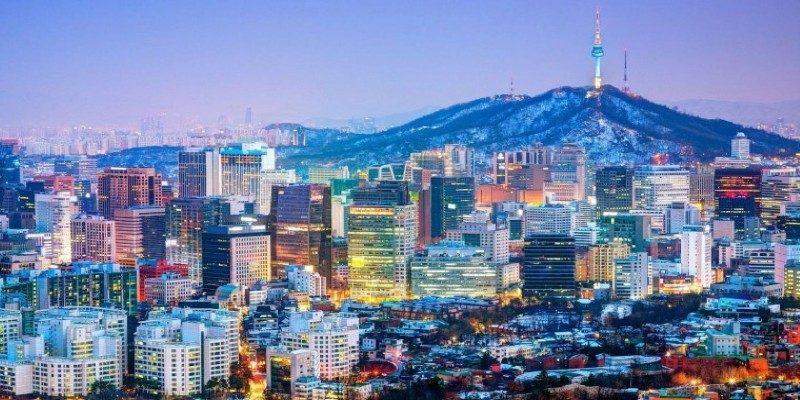
Transport choices affect energy levels. High-speed trains run on time, but crowded hours can mean standing for long stretches. Early reservations make a noticeable difference. Regional buses reach hiking areas, though return schedules may feel uncertain in quieter towns. Seoul adds another layer. Subway transfers often involve long corridors and stairs. Staying near a direct line reduces daily strain and keeps routines more manageable.
Nature Spaces and Active Movement
South Korea makes it easy to stay active without turning the trip into a fitness project. In Seoul, parks like Seoul Forest and Olympic Park feel built for real life, with wide walking loops, benches in the shade, clean restrooms, and enough space to keep a steady pace. Go early, and the city feels softer. Commuters cut through on foot, older locals stretch near the paths, and the air is noticeably calmer than midday.
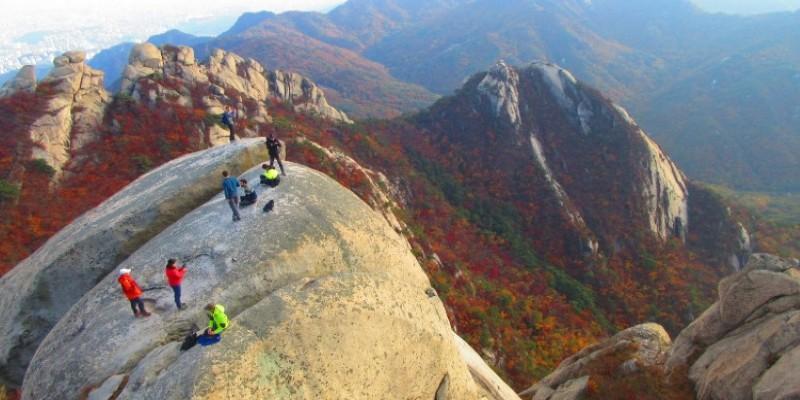
For a bigger day out, Bukhansan sits close enough to Seoul that it can be a half-day plan, not a full expedition. Trails switch from gentle climbs to rocky sections fast, and a few junctions can be confusing. An offline map saves time when signs thin out. Weekends get packed near the main gates, so expect slow spots and lots of passing. Weekdays feel smoother.
Jeju shifts the mood completely. Coastal sections of the Olle trails bring salty wind, black volcanic rock, and long stretches without shops. Bring water and a small snack, even on shorter walks. Weather flips quickly near the shore, so light layers beat heavy gear. Smaller city hills work too, quick views, less effort, and fewer logistics.
Food Choices and Eating Patterns
Meals in South Korea tend to make balanced eating easier than in many destinations, but it still pays to choose spots with care. A typical table comes out with rice, soup, grilled fish or meat, and a spread of vegetable sides. It’s satisfying without feeling heavy, which matters on days packed with walking and subway transfers.
Street snacks are part of the fun, especially around Myeongdong or the market lanes in Busan, but many popular bites lean fried or sweet. Treat them like a stop along the way, not the main plan. A simple approach works well, share one or two items, then sit down for a proper meal later.
Meal timing can quietly shape energy. Between noon and 1 PM, lines build fast, and service gets rushed. Sliding lunch earlier, or holding off until after the peak, often means a calmer meal and better digestion. On transit days, convenience stores can be surprisingly reliable for kimbap, salads, fruit cups, and plain yogurt.
Diet requests can get tricky in small restaurants, where menus may be short on details. A translation app helps, and a few saved Korean phrases can prevent a back-and-forth at the counter. Keep water steady, too. Tap water is generally safe, refill a bottle at the hotel, and save the extra stops.
Cultural Habits and Daily Balance
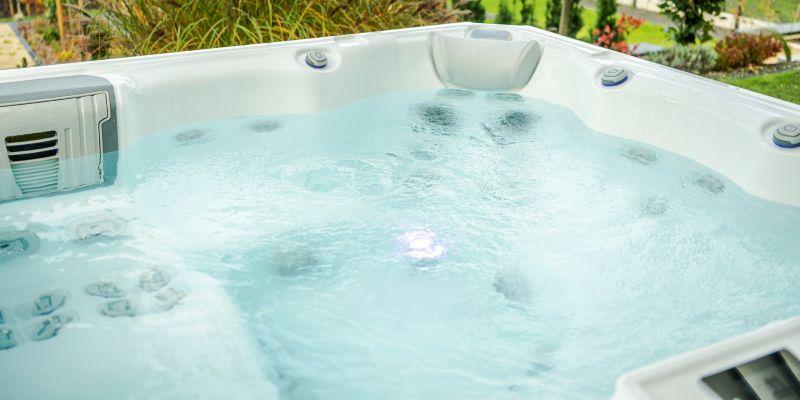
Daily routines in South Korea can support a healthier trip, but they work best once the unwritten rules feel familiar. Jjimjilbang bathhouses are a good example. They’re open late, sometimes all night, and they’re ideal after a long train day or a flight that leaves legs stiff. The flip side is etiquette. Shower first, keep voices low, and expect shared spaces to run on quiet courtesy. A quick look around the room usually answers most questions.
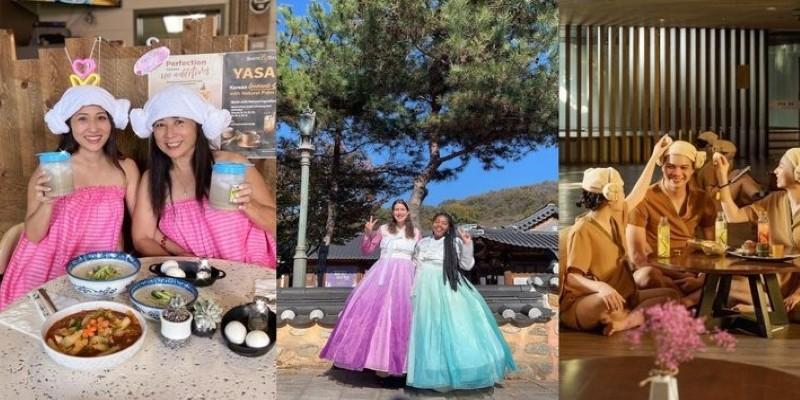
Walking is built into almost every day. Stations are efficient, but transfers can be long, and sidewalks stay busy. On day one or two, it's easy to overdo it. Start with fewer stops and leave extra time between plans. That cushion matters when a museum line stretches, or a hillier route pops up.
Outside major cities, language gaps show up fast. Having your accommodation name and address in Korean saves time with taxis and reduces the end-of-night scramble. Temples and heritage villages reward slower pacing, too. Calm behavior fits the setting, and it turns the visit into a real break. For maps, local navigation apps tend to be more reliable. Download them before arrival to avoid wrong turns and missed connections.
Conclusion
A healthy trip through South Korea depends on timing, steady movement, and thoughtful choices around meals and rest. Crowds, pricing shifts, and transport patterns shape daily energy more than expected. Adjusting plans early prevents strain later in the journey. Nature areas, balanced meals, and daily routines support well-being throughout the trip. With careful pacing and small adjustments, traveling across the country stays manageable, comfortable, and genuinely refreshing.