A hot tub often looks affordable at the showroom and materially different once the installation starts. Many full-size models need a dedicated 240-volt circuit with a 50-amp GFCI breaker, according to current manufacturer installation guidance, which is why the first surprise cost often appears before the tub is even filled.
Add a concrete base, possible delivery obstacles, permits, and ongoing electricity use, and the purchase starts to resemble a small home-improvement project rather than a simple appliance buy. Recent U.S. Energy Information Administration data put average U.S. residential electricity prices at 17.45 cents per kWh year to date through January 2026, making operating costs worth pricing early, not after delivery.
The First Surprise Is Usually Electrical Work
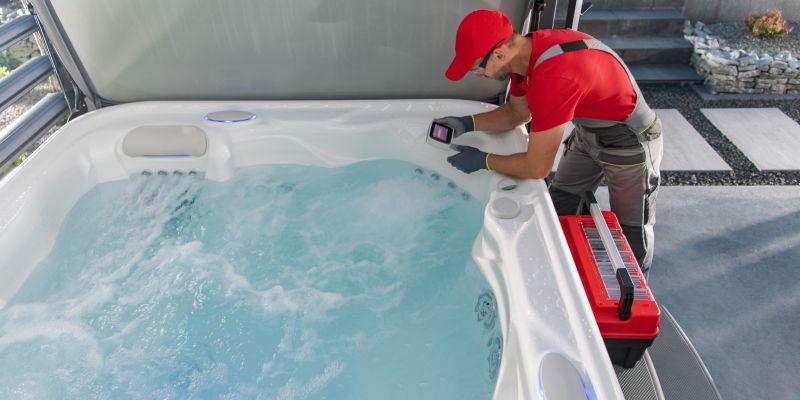
The biggest budget miss often starts at the breaker panel, not on the sales floor. Current installation guidance from major manufacturers such as Jacuzzi says most full-size hot tubs need a dedicated 240-volt circuit with a 50-amp GFCI breaker, and some models call for 40 or 60 amps instead. Plug-and-play tubs exist, but they sit in a different category with lighter power needs and fewer performance demands.
Dedicated Circuit, Not Just An Outlet
That distinction changes the quote fast. A simple installation may mean running a new dedicated line and adding a disconnect. A more expensive one can involve a full panel review, breaker space problems, a subpanel, or longer conduit runs across the yard. Jacuzzi’s guidance also notes that 120V models heat more slowly, while 240V hardwired tubs maintain temperature better and support fuller performance in colder weather.
For households comparing tubs, the electrical question is often less about convenience than about whether the home is ready for a spa without broader upgrades.
Ground Conditions And Access Problems Can Reprice The Install
A hot tub can weigh several thousand pounds once filled, so the surface underneath it is not a decorative detail. A level concrete pad may be enough in one yard. Another property may need grading, drainage work, pavers reset over a compacted base, or deck reinforcement before the tub can be delivered safely.
Older decks create a common budget trap. The platform may look sturdy for furniture and foot traffic, but it may fail the load question once water, equipment, and multiple adults are factored in. At that point, the purchase stops being a backyard accessory and starts acting like a structural project.
The Route To The Backyard Can Cost As Much As The Pad

Delivery quotes also change when the tub cannot move from the curb to the backyard in a straight line. Tight side yards, gates, retaining walls, stairs, steep slopes, and overhead obstructions all add labor and risk. In some cases, a standard delivery becomes a crane job.
That can make a well-priced tub the least expensive part of the install day. A practical rule helps here: if the tub’s path requires fence removal, elevation changes, or turning around corners, households need a site visit before locking in the final budget.
Running Costs Depend Less On The Sales Pitch Than On Local Utility Prices
A dealer’s monthly estimate is only a starting point. The real number changes with climate, insulation quality, cover fit, soak frequency, and how often the tub is left at a temperature between uses. Electricity rates matter just as much.
Recent U.S. Energy Information Administration data put the national residential average at 17.45 cents per kWh for January 2026, but state tables in the same release show wide variation across the country. A tub that costs one household modestly more each month can cost another much more simply because local power is pricier.
A practical estimate starts with the home’s actual utility rate, not a national average. Over several years, that difference often matters more than a one-time discount on the tub itself.
Permits, Barriers, And Safety Hardware Are Easy To Miss Until Late
Permits and safety requirements often look minor on paper and expensive once installers start asking for proof. A hot tub may trigger permit fees, electrical inspection, and local rules on fencing, gates, alarms, or locking covers.
The U.S. Consumer Product Safety Commission says a pool barrier should be at least 48 inches above grade, and notes that some states and municipalities require 60 inches. Its guidance also applies to spas and hot tubs, even though local code determines what is mandatory in a given area.
That creates a familiar cost stack. A household may budget for the tub and electrician, then add a code-compliant gate, door alarms, or a better cover after the sale is already underway.
Maintenance Is Not Just Chemicals
The recurring bill does not stop with sanitizer and test strips. Filters need regular replacement, water has to be drained and refilled on a schedule, and covers eventually lose insulation as they absorb moisture and wear down in the sun and weather. Those costs stay predictable. Repairs do not. A service call for a circulation pump, heater, control panel, or leaking seal can turn a low-maintenance tub into an expensive one very quickly, especially after the warranty narrows or expires.
A cheap or aging cover creates a good example of how small upkeep choices spread into higher costs. Heat escapes faster, the heater runs longer, and winter performance slips first. Poor water balance causes a different kind of drift. Cloudy water is one problem. Premature wear on components is more expensive. Households that budget only for chemicals usually miss the ownership cost that arrives in years two and three.
Some Premium Features Save Money, And Some Mostly Prepay Comfort
A better-insulated cabinet, tighter cover, and efficient circulation system can lower operating costs over time, especially in colder regions or homes that expect year-round use. Those upgrades tend to earn their keep when the tub runs often and stays in service for many years. The math looks weaker in mild climates or for occasional use. In those cases, a higher trim package may function more like a comfort upgrade paid for in advance.
Saltwater systems and extended warranties follow the same pattern. They can reduce hassle and improve ownership confidence, but they also raise the upfront price and sometimes tie replacement parts or service to a narrower dealer network. A premium feature is not automatically overpriced. It just needs a usage case strong enough to justify it.
A Simple Green-Light Test Before The Purchase
A hot tub is not ready for a yes until three numbers exist in writing: the electrical quote, the site and access quote, and a first-year operating and maintenance estimate. Missing any one of those usually means the budget is still hypothetical.
The decision changes based on what those quotes show. If the home only needs a standard pad and a dedicated circuit, the purchase can stay in product-comparison territory. If the install triggers panel work, deck reinforcement, drainage changes, or crane delivery, the tub is no longer a straightforward retail buy. It is a home project with construction risk.
One useful rule keeps the math honest: if affordability depends on skipping code work, delaying basic maintenance, or assuming the cheapest installation case, the all-in cost has not really been priced yet.
Price The Project Before The Purchase
A workable order keeps the decision cleaner than any showroom discount. First comes the electrical quote. Second comes the site and access quote. Third comes a first-year estimate for power, water care, filters, and likely wear items. Households that stop after the sticker price are still missing the part of the budget that usually changes the answer.
Recent U.S. Energy Information Administration data put average residential electricity at 17.45 cents per kWh in January 2026, which makes operating costs worth checking against the home’s actual utility rate before the order is final. If any purchase only works by assuming best-case installation or deferred upkeep, it belongs in the no column.