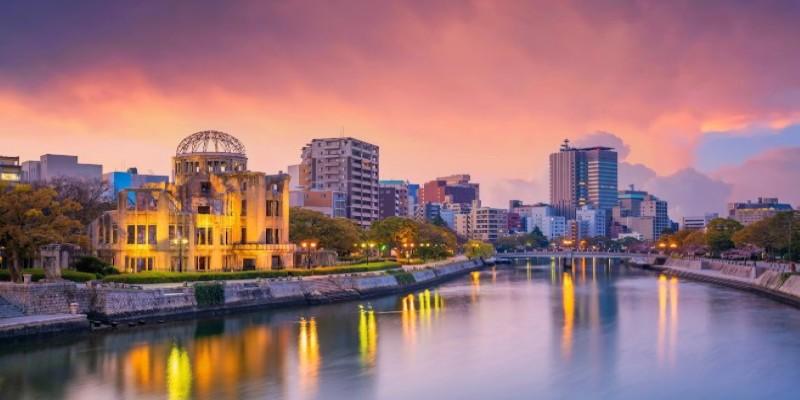
Hiroshima often feels calmer than larger Japanese cities, but certain areas still carry heavy foot traffic, especially near major attractions and transport hubs. Choosing the right place to stay makes a noticeable difference. Some streets stay quiet even during peak seasons, while others fill quickly with tour groups. A thoughtful location helps reduce daily friction, cuts down transit stress, and creates space to enjoy the city at a slower pace without constant noise or crowd pressure.
Hondori and Central Hiroshima, Balancing Access with Calm Streets
Hondori sits right in the middle of the action, so it’s easy to assume sleep will be an issue. The main shopping arcade stays lively most days, and weekends or holiday stretches can feel packed. Step one or two streets away, though, and the mood changes fast. Narrow lanes, smaller storefronts, fewer voices after dinner. Many hotels set back from the arcade get the convenience without the constant hum.
This area works well after a late arrival. Instead of wrestling with extra transfers from Hiroshima Station, it’s a straightforward tram ride or taxi, then a short walk. Even at night, the routes are well-lit and simple to follow. Rainy season makes this choice even more appealing, since long commutes and crowded platforms start to wear thin.
The downside is timing and price. During cherry blossom weeks and early November, rates jump, and the best-value rooms disappear early. Waiting too long usually means paying more for less. Noise control also varies. Larger business hotels tend to insulate sound better, while smaller properties can be hit or miss. Recent guest notes often reveal the truth.
Hiroshima Station Area, Practical and Quieter Than Expected
Many travelers write off station districts as noisy and chaotic. Hiroshima Station is different. The concourses stay busy, yet step outside, and the mood settles fast. The hotel blocks around the station feel orderly, with wider streets, clear signage, and fewer of the late-night crowds found in bigger cities.
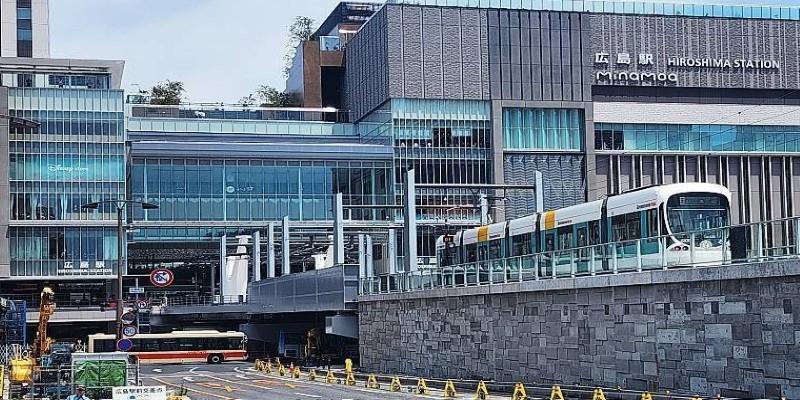
This area works well for short trips or any itinerary with an early start. Shinkansen access is right there, and that matters on mornings when timing is tight. If the plan includes Miyajima, an early departure is easier from here, with less reliance on trams that can get packed once sightseeing hours begin. That small reduction in morning friction can set the tone for the entire day.
Evenings bring another shift. After commuter traffic thins, sidewalks quiet down, and the area turns into a straightforward place to rest. Hotels set a bit back from the main road feel especially calm, which helps light sleepers.
There are a couple of practical trade-offs. Dining is decent but not as varied as downtown, and late options thin out. A short ride toward the center solves that, but it does require a bit of planning. Rooms also tend to follow business-hotel sizing, fine for a couple of nights, but less comfortable with bulky luggage. On the plus side, standards are consistent, and check-in and check-out usually run smoothly.
Peace Memorial Park Surroundings, Reflective and Low-Noise Environment
Peace Memorial Park brings a softer pace than most parts of central Hiroshima. The streets feel more measured, traffic is lighter, and the riverside paths set the tone early in the morning. For travelers craving a quieter base, this area fits well, especially after a few hectic days in larger cities.
Many hotels here sit close to the water, so mornings can start with a calm walk along the riverbanks instead of a rush into shopping arcades. That small routine helps when travel fatigue starts to show up. Long transfers, crowded platforms, constant city noise, it adds up. Staying near the park gives breathing room without cutting ties to the city.
A few practical points matter. Dining options thin out earlier than around Hondori, and late-night convenience can be hit or miss. Arriving on a late train can mean settling for limited food choices, so it helps to grab something before heading back or check opening hours in advance.
Daytime can feel busier near the main memorial sites, particularly in spring and autumn when group visits increase. A hotel one or two streets back from the park edge usually keeps things quieter, while still keeping tram stops within easy walking distance. Travel times stay reasonable, but peak-hour trams can slow down and feel crowded.
Miyajimaguchi and Outer Hiroshima, Slow Pace and Natural Surroundings
Miyajimaguchi and outer Hiroshima suit travelers craving a quieter base without giving up easy access to the region’s highlights. This ferry-side town sits across from Miyajima, and it runs on a gentler clock than central Hiroshima. Mornings are the best part. Before the first wave of day trippers shows up, the streets feel still, the air off the water is cool, and getting onto an early ferry is almost effortless.
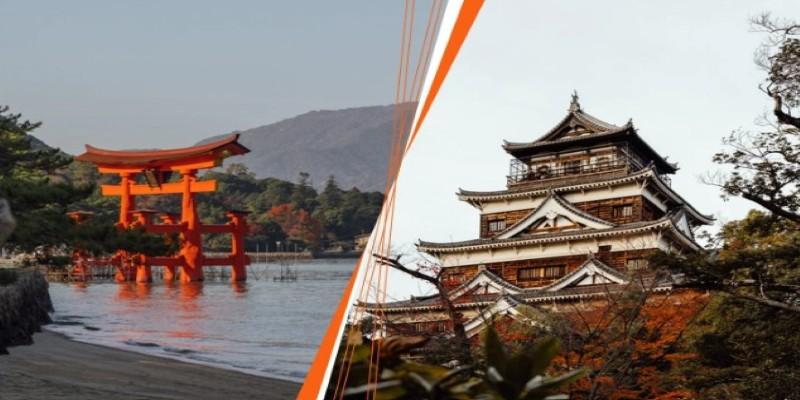
This location works well for plans that start early, like catching the island before it fills up or timing a visit around low tide. Staying steps from the terminal means no rushed tram rides from downtown and fewer moving parts on departure day.
Lodging ranges from simple inns to mid-range hotels, often with a bit more space than city business properties. The compromise is distance. Expect a 30 to 45 minute ride back into Hiroshima for museums, dining, and evening walks, and keep meal options in mind since things quiet down after ferry traffic slows. In autumn foliage weeks and holiday stretches, rooms disappear fast, and ferry lines lengthen, so booking ahead matters.
Conclusion
A calm stay in Hiroshima depends less on luxury and more on location choices. Small shifts in distance from busy streets can change the entire experience. Central areas offer convenience with some care in hotel selection, while outer districts bring a slower pace with added travel time. Each option solves different travel needs. A balanced decision, based on schedule and tolerance for crowds, leads to a smoother and more relaxed visit overall.