What swollen fingers usually feel like
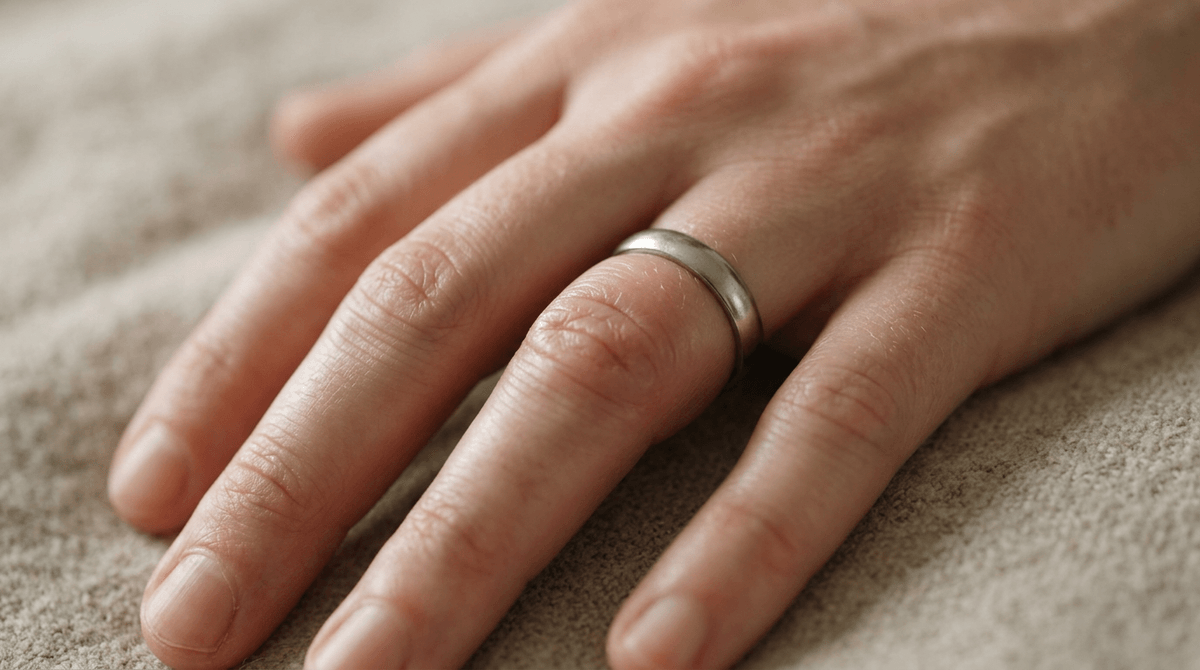
It often starts as a small, practical problem: your ring catches on the knuckle, or your fingers feel “full” when you make a fist. The skin may look a little shiny, and pressing a fingertip into the puffy area can leave a faint dent—or sometimes it doesn’t, which can feel confusing when the swelling still looks obvious.
The timing can be inconsistent. Some people notice it most in the morning, with a stiff, tight feeling that eases as the hands warm up and move. Others notice it after heat, exercise, or a long day of being upright, when fingers feel thicker and less nimble even without sharp pain.
What makes it hard to interpret is how similar different drivers can feel at first. A mainly fluid-shift pattern may feel more like generalized tightness across several fingers, while a more irritation-led pattern may seem more localized—one finger, one joint, or a specific tendon line—where the swelling feels more “attached” to soreness, warmth, or lingering stiffness.
What drives finger swelling beneath the surface
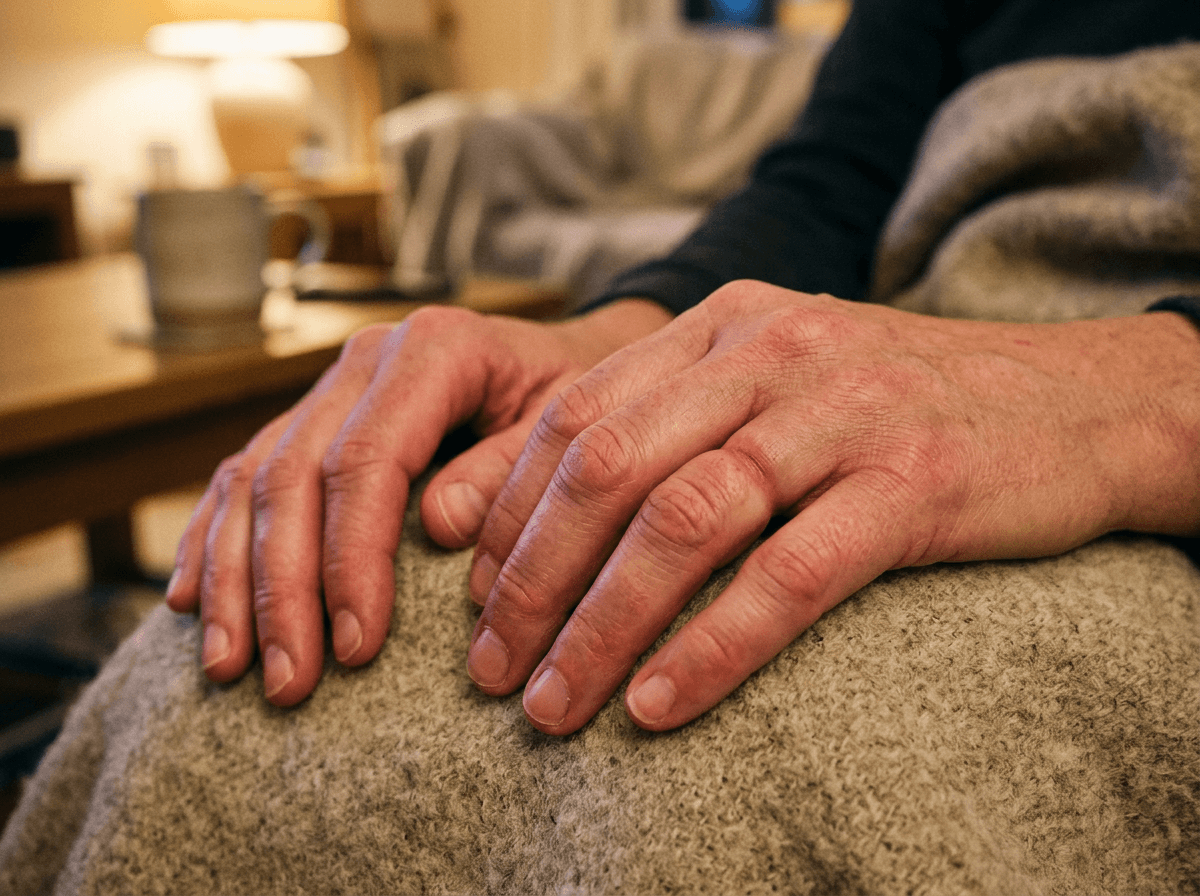
That tight, almost “overfilled” feeling can be a simple fluid problem that’s easy to misread as something deeper—especially when it comes and goes without a clear injury. In the fingers, there isn’t much extra room, so a small change in tissue fluid can make rings feel suddenly wrong and bending the knuckles feel mildly uncomfortable.
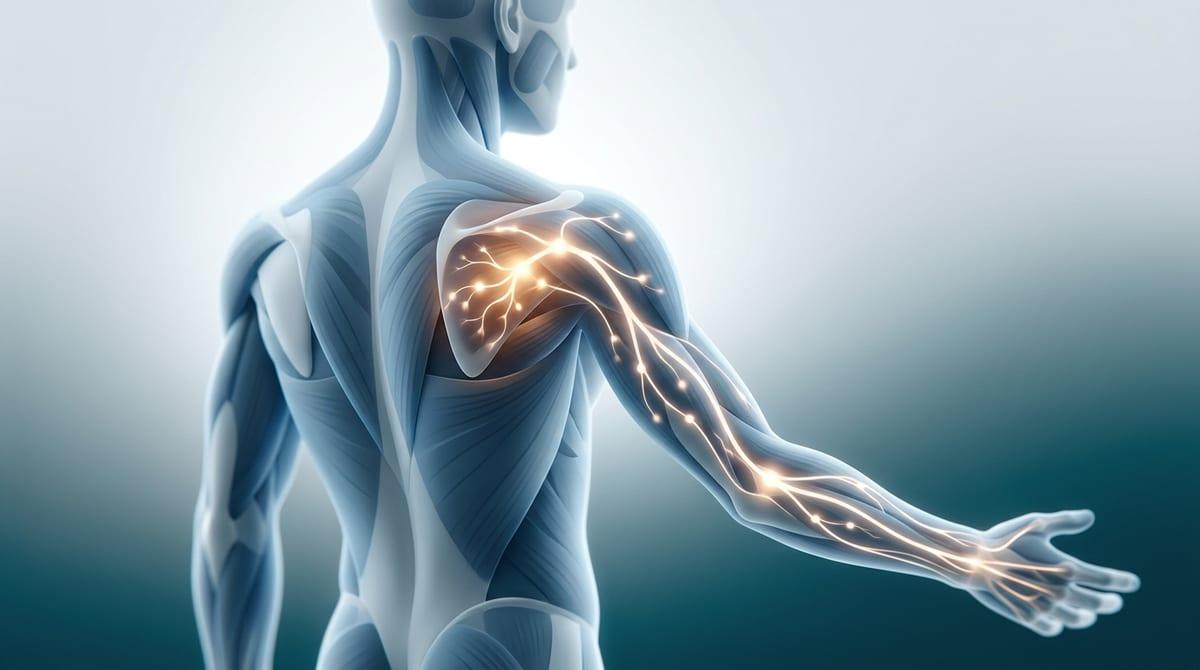
Under the surface, swelling often reflects a shifting balance between fluid leaking out of tiny blood vessels (capillaries) and fluid being carried back out through veins and lymphatic channels. Heat, exercise, and being upright for hours can increase blood flow and vessel pressure, which may push more fluid into the tissues. Saltier meals, hormonal shifts, and some medications can also tilt that balance, but not always in a predictable way.
A different driver is irritation or immune-led inflammation around a joint capsule or tendon sheath. In that case, local chemical signals can make nearby vessels “leakier,” and the surrounding tissue can thicken over time, so the swelling may feel more fixed—more tied to warmth, tenderness, or stiffness that doesn’t fully fade once your hands are moving.
Inflammation versus fluid retention: two different stories
Sometimes the clue is how the swelling behaves when you try to “use it out.” If your fingers look puffier after a hot shower, a long walk, or a salty dinner, then gradually look more normal as the day goes on, that pattern often fits a fluid-shift story—even if it’s annoying and unpredictable. In that situation, extra fluid is pooling in tight finger tissues because more is being pushed out of capillaries than your veins and lymphatic channels can comfortably move back out, at least for a while.
Inflammation can feel less negotiable. The swelling may stay centered on a joint line or along a tendon path, and it can come with a sense of heat, tenderness, or stiffness that doesn’t fully match your activity level. That happens because inflammatory signals can increase local vessel leakiness and also change the tissue itself—making it slightly thicker and more reactive—so the finger doesn’t “deflate” as easily once you’re moving.
Morning puffiness can be fluid-related, but morning stiffness that lingers and returns day after day can point in a different direction. If the trend is becoming more persistent, more one-sided, or more tied to warmth and soreness than to heat or salt, it may be worth prioritizing for evaluation rather than waiting for it to cycle back down.
Local triggers that make one hand swell
You might notice it first when only one ring feels tight, or one hand looks slightly “thicker” in photos, even though the rest of you feels the same. That asymmetry can be unsettling, and it’s easy to assume it must be inflammation—yet local fluid mechanics can also create a one-sided pattern, especially if your hands haven’t been doing the same job.
Repetitive gripping, tool use, heavy lifting, or a long stretch of typing with a bent wrist can subtly irritate a tendon sheath or a small joint. When that tissue gets annoyed, it may release signals that make nearby capillaries leak a bit more fluid, and the lymphatic “drainage” out of that area can lag behind. The result can look like simple puffiness, but it behaves differently: it may track along a specific finger or tendon line, feel mildly warm or tender, or flare after a very particular movement rather than after heat or salt.
A minor jam, a small cut near the nail, an insect bite, or even an overly tight watch or brace can create the same mismatch. Anything that adds local pressure or inflammation can temporarily bottleneck veins and lymphatics on that side, so swelling builds where fluid is already trying to move through a narrow, busy space—and it doesn’t always match how “injured” the hand seems.
System-wide causes that show up in fingers
Sometimes the odd part is that both hands look involved, even if one ring is the first to complain. The puffiness may feel more “distributed,” and the pattern can be inconsistent—worse after a long day on your feet, worse in heat, then oddly calmer after sleep one week and not the next.
When the driver is system-wide, the fingers can be where you notice it because they’re small, visible “end points” for fluid shifts. If the body is holding onto more sodium and water, or if blood vessels are letting a bit more fluid seep into tissues, the veins and lymphatic channels in the hands may simply not keep up in the moment. Hormonal changes, higher salt intake, poor sleep, and newer medications (including some blood pressure medicines and anti-inflammatories) can all nudge that balance—without creating a single sore joint you can point to.
Other whole-body issues can show up as hand swelling because they change circulation and fluid handling overall—sometimes with clues like shortness of breath, widespread ankle swelling, new fatigue, or swelling that’s steadily becoming harder to “shake off.” If that broader pattern is developing, it’s usually worth getting checked rather than assuming it’s just heat or a salty meal.
When a sensible fix surprisingly makes it worse
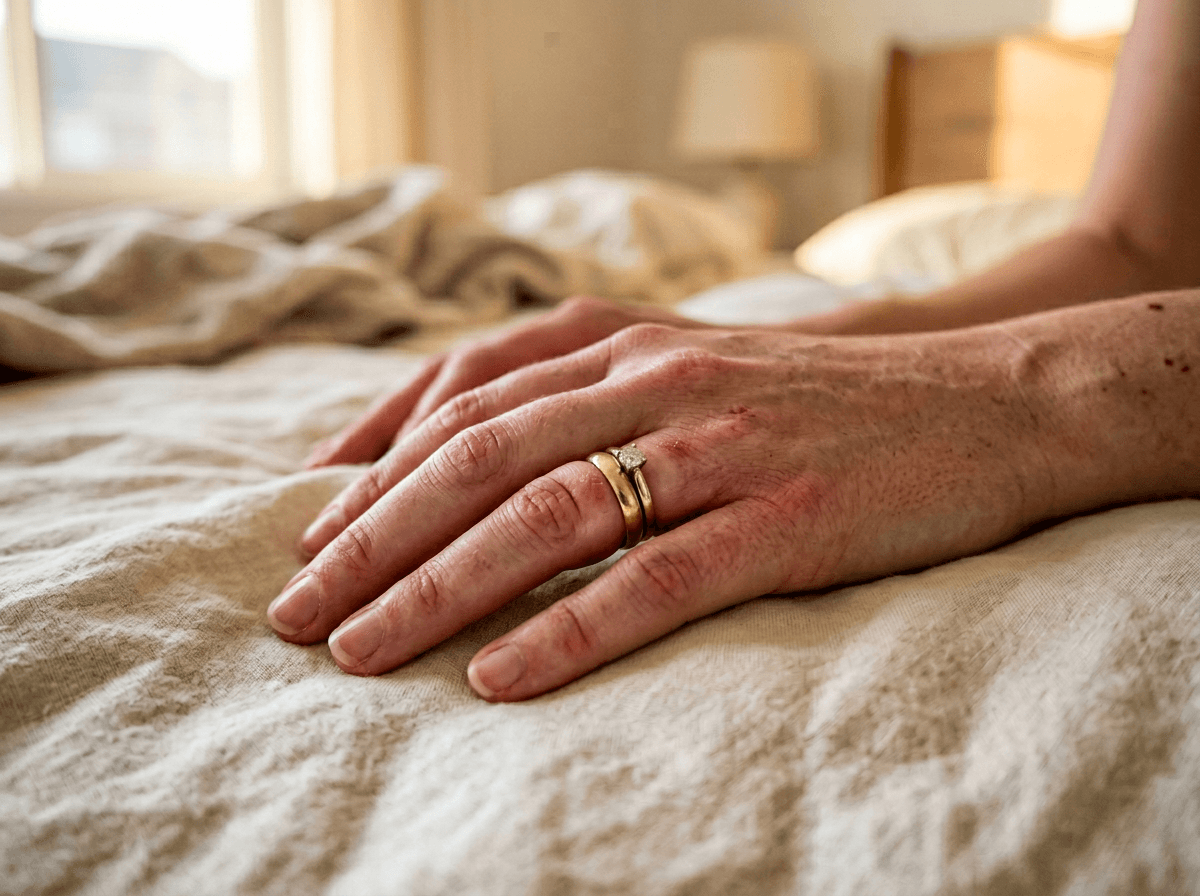
It can be frustrating when you do the “right” thing—drink more water, cut back on salt, take an anti-inflammatory—and your rings still feel tighter the next morning. The swelling may even look a bit worse, which can make it easy to assume something is suddenly escalating, even if the rest of your body feels normal.
Part of the surprise is timing. Fluid doesn’t move out of finger tissues instantly; it has to travel back through small veins and lymphatic channels that can be slow when you’ve been still, warm, or upright for long stretches. So a change that helps overall—like rehydrating after a salty day—can temporarily shift fluid between compartments, and the fingers are one of the places that “shows it” first.
In other cases, the fix adds a new variable. A tighter brace, more aggressive stretching, or extra hand exercises meant to “work the stiffness out” can irritate a tendon sheath or joint lining, making local vessels leakier for a while. When that happens, swelling can feel oddly more stubborn even though the intention was relief.
Treatment options: what tends to help, and when
Sometimes the first sign that you’re dealing with more than a passing puffiness is that the “usual” tricks don’t behave the same way twice. One day, gentle movement and cooler temperatures seem to loosen your rings by mid-morning; another day, the tightness hangs on, especially around one knuckle or along a tendon line, and it can feel a bit uncomfortable even when you’re not using your hands much.
When the pattern is mostly fluid-shift, what tends to help is anything that reduces how much fluid is being pushed into finger tissues or makes it easier for veins and lymphatic channels to clear it—often showing up as gradual change over hours rather than minutes. When the pattern is more irritation- or inflammation-led, relief is less about “draining” and more about settling reactive tissue: the swelling may track with warmth, tenderness, or stiffness, and it can respond inconsistently if the underlying trigger (repetitive use, a new medication, a recent minor injury) is still in the background.
Over-the-counter anti-inflammatory medicines can reduce inflammatory signaling for some people, but they don’t always touch fluid-retention swelling—and in some cases can even nudge fluid handling in the wrong direction. If swelling is becoming steadily more persistent, clearly one-sided, or paired with heat, significant pain, spreading redness, or new shortness of breath, it’s usually a reason to move “watch and wait” toward getting it checked.